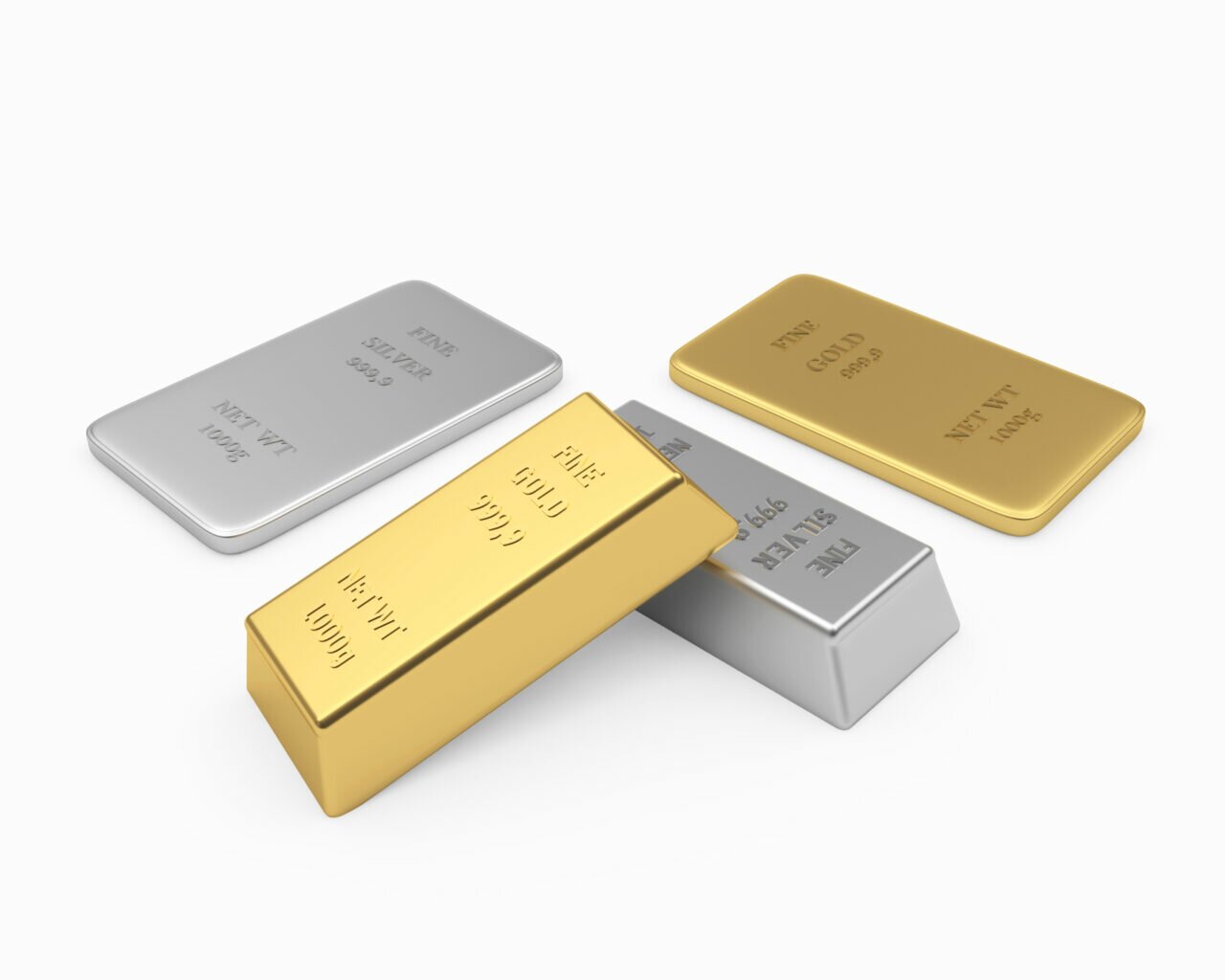
When you hear people talk about the ‘spot price’ when discussing precious metals, they are referring to the current market price of one troy ounce of gold, silver, or other metal type. The supply and demand for that precious metal in the market determines that price and it is quoted in US dollars per ounce. The spot price varies throughout each day by several dollars or more within the same day.
The spot price for precious metals, in particular the gold spot price, is broadly tracked by investors, and financial analysts as an indicator of the markets. If you are considering buying gold or another precious metal, predicting the spot price rise or fall and determining an optimal time to buy gold is a challenge given the variety of factors that impact that price.
- Economic factors: The overall global economy impacts the price of gold and factors such as inflation, interest rates, and currency exchange rates influence the demand and therefore the price.
- Supply and demand: Like any product or commodity, the value of gold is affected by supply and demand. Changes in golds availability combined with an increase or decrease in industrial demand, impacts the price.
- Geopolitical factors: Political instability and border conflicts create doubt about the global economy and typically increase the demand for gold as a hedge against risk. Understanding geopolitical events and their possible impact may help in anticipating the gold price.
For these and other reasons, a plan to buy precious metals should have a mid-to-long-term timeframe.
How does the ‘spot price’ impact my purchase of precious metals?
As we said, the spot price is the price of the metal in the market each day and is the benchmark used by dealers when they buy or sell precious metals for you. When you buy a gold coin or silver bar from a dealer, you will typically pay a higher price than the spot price due to additional costs and premiums paid to the dealer. This is often referred to as the spread.
Other factors that impact the price you pay you should ask your dealer about:
- What dealer premiums are involved? These are typically to cover costs such as commissions, storage, insurance, and handling fees.
- Depending on the type of product you purchase, certain coins or bars may require a higher premium due to their collectability or rarity.
- What is the final dollar amount of your purchase? Some dealers will reduce their spread for higher dollar purchases.
- What are the shipping and insurance costs? When you purchase online, shipping and insurance costs can add to the overall cost of the transaction.
It is critical to do your due diligence when buying gold, silver or any precious metal. Carefully consider which type of metal best fits your objectives. Compare pricing closely as those premiums can vary greatly from one dealer to another. Ask any dealer you speak to about their spreads. These are often reflected in their sales agreements, so ask for this upfront, before committing.
At VaultUS Gold, we believe in fair pricing and great service. We do not pay commissions to the sales team which means more of your money is used to buy metals. We always suggest that you check with your financial advisor before making any large asset purchase like gold and silver.
When you are ready to enter the market, give us a call at 818-853-8796 or visit our website for more information. Our Client Success team stands ready to help you with our Signature Premier service for your peace of mind.
Source: Macrotrends